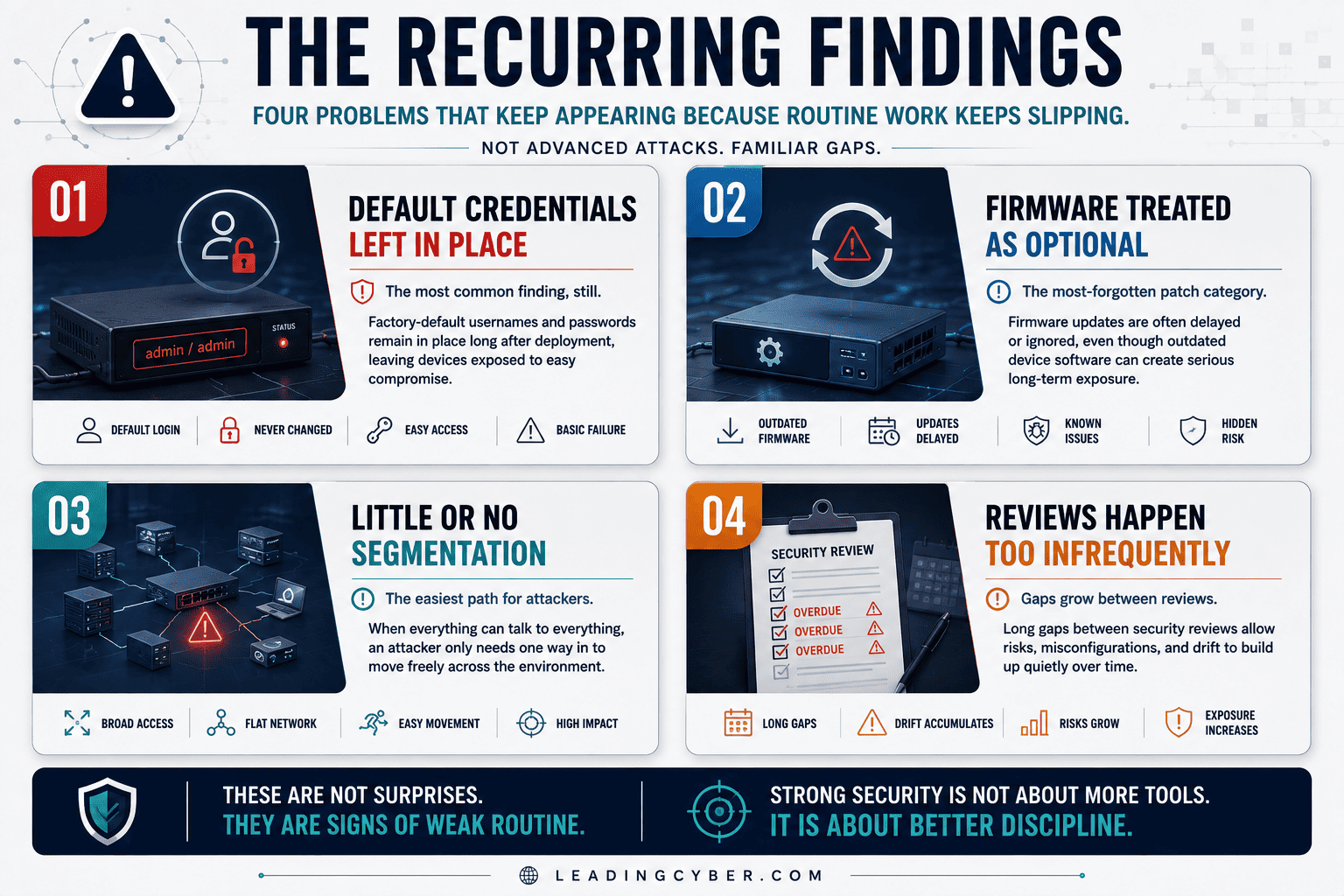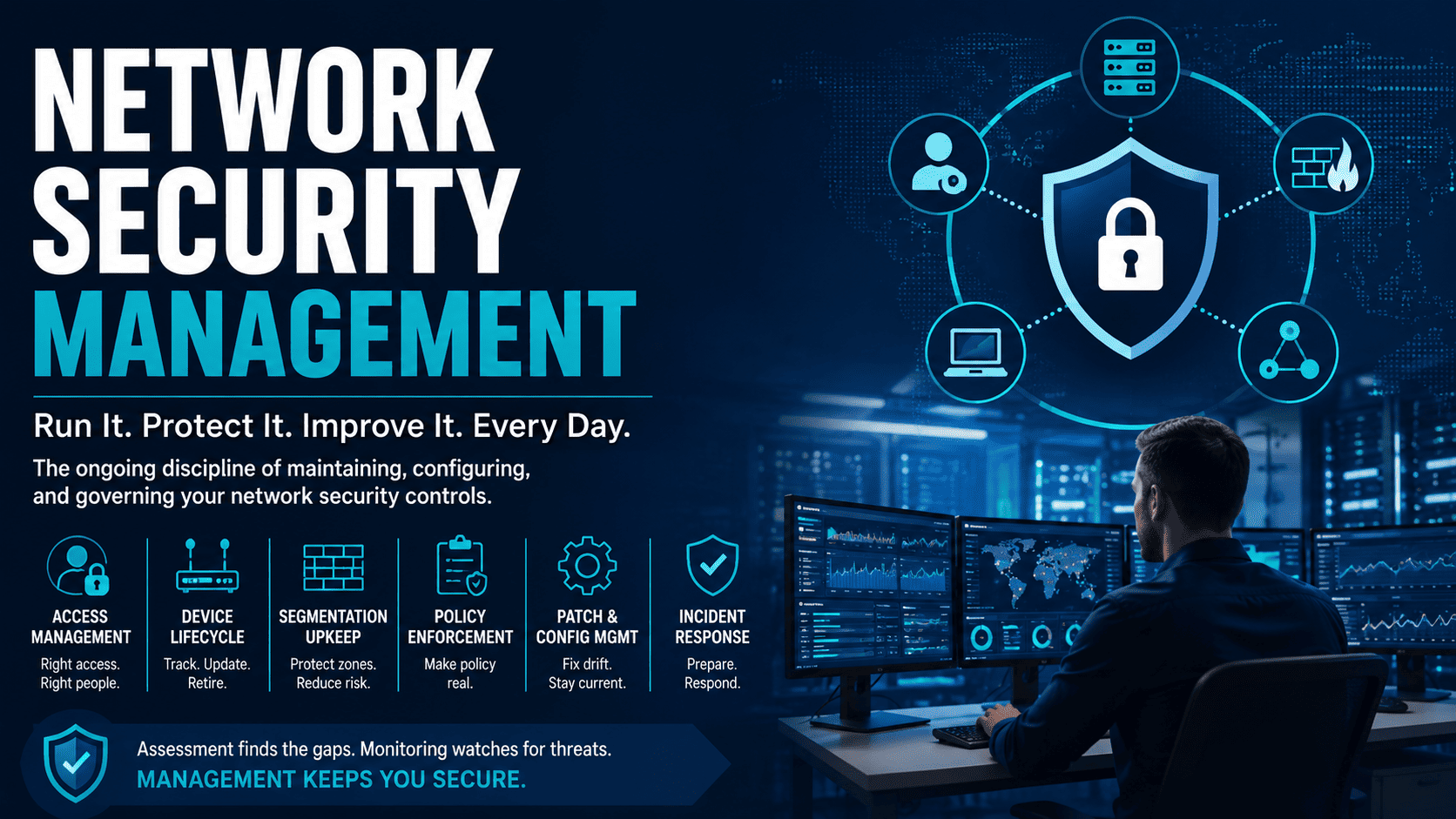
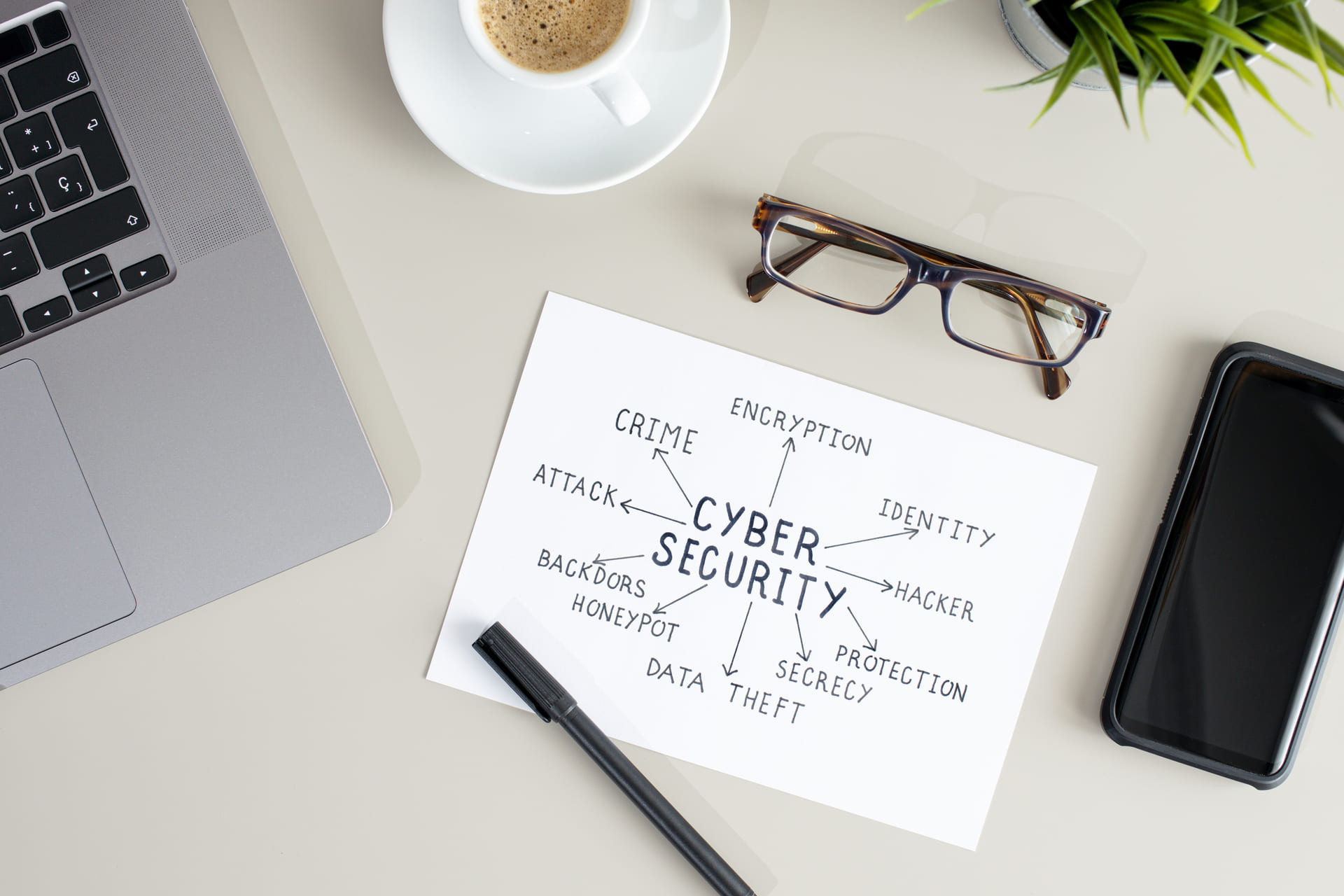
Cyber threats are becoming more sophisticated each year—and every business is now a potential target. From ransomware to data breaches, attackers exploit weaknesses in systems, processes, and even people. The question is no longer if an organization will be attacked but when.
That’s why developing a robust cybersecurity framework is essential. A clear, proactive security strategy protects data, maintains customer trust, and strengthens business resilience.
Understanding the Importance of a Cybersecurity Framework
A cybersecurity framework is a structured system of policies, standards, and best practices that guides how organizations identify, manage, and mitigate cyber risks.
Without one, businesses face:
-
⚠ Higher exposure to cyberattacks and data theft.
-
⚠ Regulatory fines for noncompliance.
-
⚠ Financial losses from ransomware or fraud.
-
⚠ Damaged reputation and customer distrust.
A comprehensive framework doesn’t just prevent attacks—it also improves response times and strengthens the organization’s long-term resilience.
Key Components of a Strong Cybersecurity Framework
Creating a reliable framework involves multiple layers of security, governance, and awareness. Let’s explore the core components that every business should prioritize.
1. Risk Assessment and Management
Every effective cybersecurity framework begins with understanding risk.
Businesses should:
✔ Conduct regular security audits.
✔ Evaluate phishing, malware, and insider threats.
✔ Assess the potential impact of breaches on operations.
✔ Develop clear mitigation strategies.
A strong risk management process ensures resources go where they matter most.
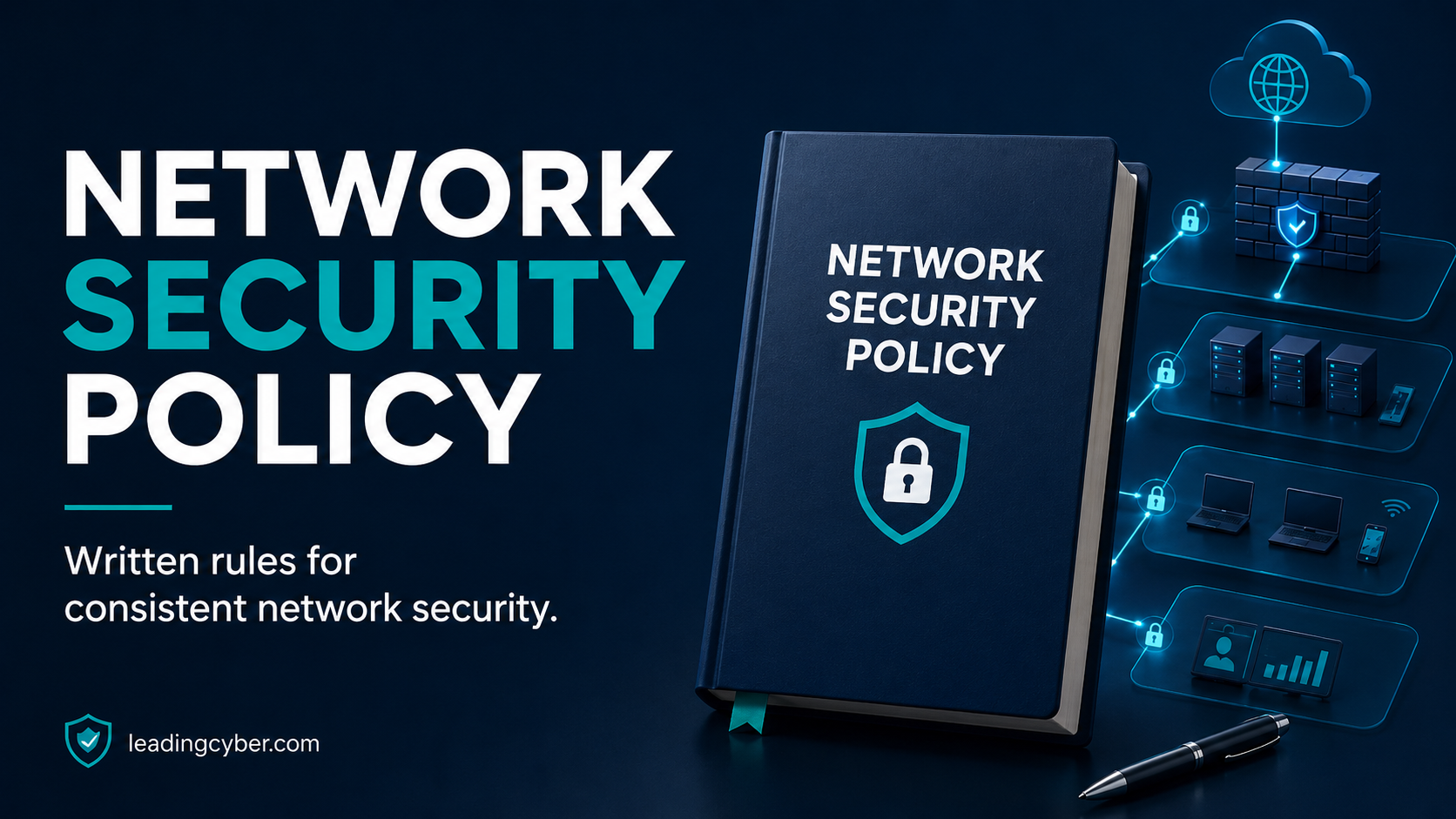
2. Security Policies and Access Control
Policies form the backbone of a cybersecurity framework.
Establish rules for how data is accessed, stored, and shared:
✔ Define data protection protocols.
✔ Implement access control and least privilege principles.
✔ Enforce password and authentication standards.
✔ Secure remote work practices.
Well-documented policies ensure accountability and consistency across the organization.
(Getting Things Done the Right Way in Cybersecurity)
This related post reinforces how operational discipline drives security success.
3. Employee Cybersecurity Awareness Training
Human error remains the weakest link in cybersecurity defense.
Regular training sessions teach employees how to identify phishing scams, handle data safely, and use company systems securely.
📌 Train staff to recognize social engineering tactics.
📌 Promote safe browsing habits.
📌 Encourage reporting of suspicious activity.
When employees become security-aware, they transform from potential risks into proactive defenders.
4. Multi-Factor Authentication and Encryption
Technology adds crucial layers of protection.
🔐 Multi-Factor Authentication (MFA) – Requires multiple credentials to verify user identity.
🔐 Encryption – Converts sensitive information into unreadable data to safeguard it from unauthorized access.
Together, MFA and encryption dramatically reduce the chances of system compromise—even if credentials are stolen.
5. Incident Response and Recovery Plan
Even the best cybersecurity frameworks must prepare for breaches.
A strong incident response plan defines how to react quickly, contain threats, and recover operations.
✔ Assign clear roles and responsibilities.
✔ Establish communication protocols.
✔ Create backup and data recovery systems.
✔ Test your response process regularly.
Rapid response builds trust and minimizes downtime.
(NIST Cybersecurity Framework Overview)
NIST provides a globally recognized model that businesses can use to enhance their security strategy.
6. Compliance with Industry Regulations
Compliance is both a legal and strategic necessity.
Organizations should regularly review and align with major cybersecurity frameworks such as:
✔ NIST – For comprehensive risk management.
✔ ISO 27001 – For global information security standards.
✔ GDPR – For data protection and privacy.
✔ HIPAA – For healthcare data security.
Meeting these standards protects against legal consequences and boosts client confidence.
Final Thoughts
Building a cybersecurity framework isn’t a one-time project—it’s an ongoing process of improvement and vigilance.
It requires commitment from leaders, IT teams, and employees alike.
By combining risk assessment, employee training, and strong technical defenses, businesses can stay one step ahead of cybercriminals and protect what matters most—their people, data, and reputation.
“Cybersecurity is not just a technical issue—it’s a business priority.”